Tuckpointing and Repointing in Erie, PA
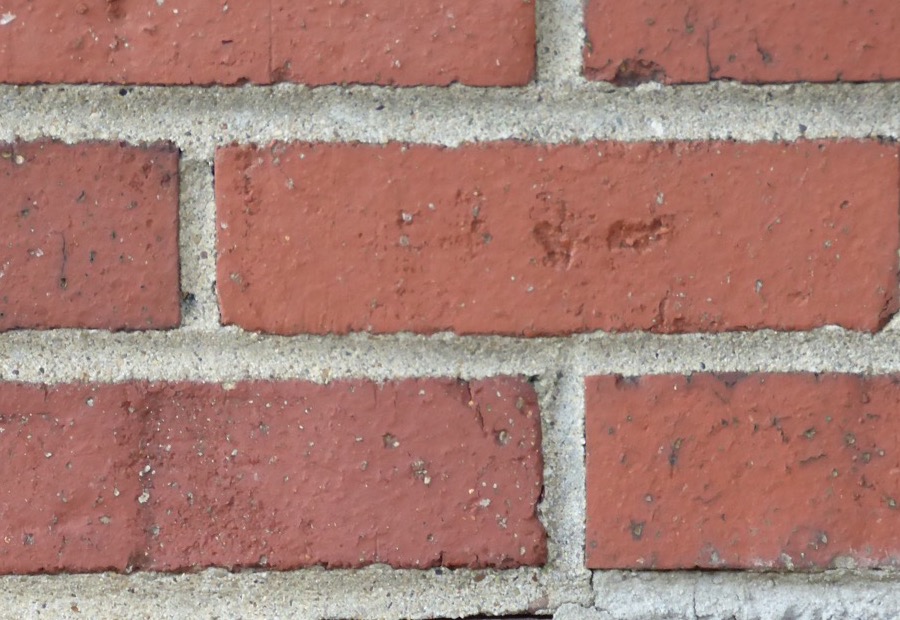
Tuckpointing renews the mortar in a brick wall. The mortar is the sacrificial part by design, softer than the brick so it takes the weather and wears back over the years while the brick stays whole. When a joint opens up, the wall loses its seal, and water starts using that joint as a door. Repointing grinds the failed mortar out and packs fresh mortar in, tight and tooled to shed water.
Repoint Versus Tuckpoint
The two words get used for the same job, but they are not the same thing. Repointing is the repair: out with the failed mortar, in with the new. True tuckpointing is a finish, a fine line of contrasting mortar worked into the joint to make a rough wall look like it was laid with thin, precise joints. Around Erie, almost everyone who asks for tuckpointing means repointing. Describe the wall on the phone and we will tell you which one it needs.
Grinding the Joints Out
We rake the failed joints out with an angle grinder to a depth of about twice the joint width, back to sound mortar. Raking too shallow leaves the new mortar nothing to grab. Then the joints are brushed and blown clean, because fresh mortar will not bond to dust. Corners and detail work near windows and sills are cut by hand so the surrounding brick stays intact.
Matching the Mortar
Mortar is graded under ASTM C270. Type N is the general above-grade mix for most house walls. Type S is stronger, for walls that carry more load or sit near grade. Brick laid before about 1930 was set in soft lime mortar, and it needs a lime mix, not portland. A hard joint in a soft wall drives every freeze into the brick face instead of the mortar. We match the type, then match the sand and pigment to the color already on the wall.
Packing and Tooling
New mortar goes in from the back of the joint forward, in lifts, so it packs solid with no voids. A void is just a place for water to sit. Once the joint is full and thumbprint firm, we tool it to match the profile on the rest of the wall, concave, weathered, or flush. Tooling presses the mortar tight to the brick and shapes the joint to run water off instead of holding it.
What It Costs
Repointing in Erie runs about $8 to $25 per square foot of wall. Ground level with a stock modern mortar sits at the low end. Historic brick that needs a color-matched lime mortar, or a second-story wall that needs scaffold, sits higher, because the access and the matching both take time. Every wall gets a free look and a written estimate first.
Have a wall with open or crumbling joints? (814) 555-0163 gets you a real person and a free estimate. If the brick is spalling too, we handle the brick repair in the same visit.
How long does tuckpointing last?
A properly repointed wall in matched mortar holds for decades, often outlasting the person who ordered it. What shortens it is the wrong mortar. A hard portland joint in a soft old wall can start cracking brick within a few Erie winters, which is why we match the mortar to the era of the brick.
Can you tuckpoint in winter?
Fresh mortar has to cure above freezing, and Erie's cold runs long, so full walls wait for workable weather. We quote through the winter and schedule for the first warm stretch. An urgent spot, like a loose brick over a door, can be handled with cold-weather methods when it cannot wait for spring.
Do you have to redo the whole wall?
No. We repoint the joints that have failed and blend the new mortar into the sound ones. On a wall where most joints are open, doing it all at once is cleaner and often cheaper per foot, but partial repointing is common and we quote only what has actually failed.
Will the new mortar match the old?
That is the point of the job. We test sand and pigment against your wall until the color and texture line up, and we tool the joint to the profile already there. On historic brick the match is most of the work, because a repair that stands out reads as badly as the damage did.