Masonry Waterproofing and Sealing in Erie, PA
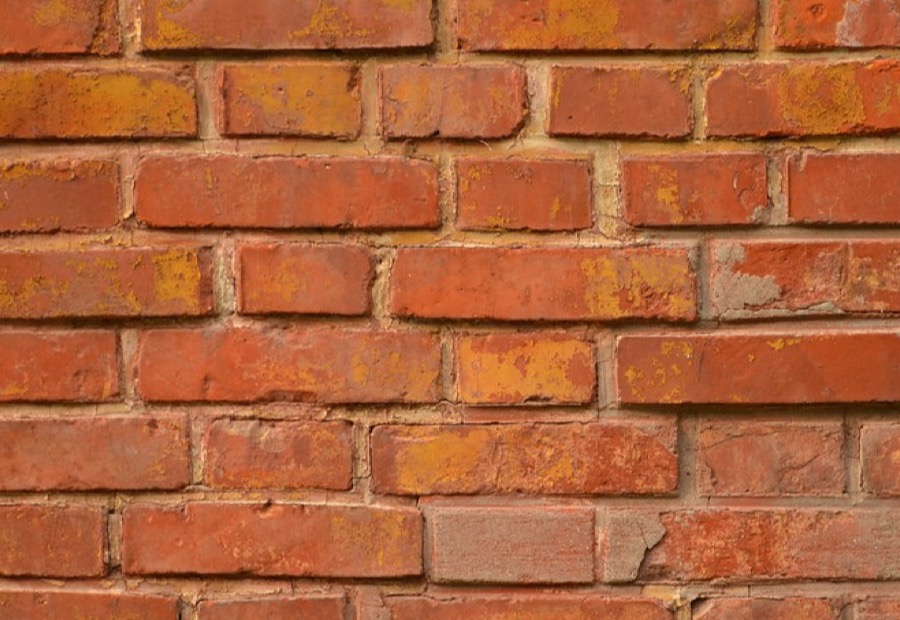
A brick wall is meant to breathe. It takes on a little water and dries back out through the same pores. Waterproofing masonry the right way works with that, not against it. We seal brick and stone across Erie with breathable products that repel water while letting the wall dry, and we caulk the joints a sealer cannot reach.
Breathable Siloxane, Not a Film
A penetrating siloxane sealer soaks into the brick and lines the pores so water beads off, while the pores stay open enough for the wall to dry. That is the whole difference. A film-forming sealer lays a skin on the surface, blocks the drying, and traps behind it whatever water gets in from a joint or the back of the wall. That trapped water freezes and lifts the face. Erie freezes and thaws more often than most places, so a trapped wall here fails fast. On old brick, breathable is the only sealer worth putting on.
Point First, Then Seal
Sealer is not a substitute for mortar. Brushed over an open or crumbling joint, it hides the exact hole the water is using and does nothing to close it. So the joints have to be sound before any sealer goes on. Where the mortar has failed, the wall gets repointed first, and the sealer goes on a wall that is already weathertight.
Caulking the Right Joints
Some gaps are not mortar joints and should never be filled with mortar. Where brick meets a window frame, a control joint, or two different materials, the joint has to flex, and that calls for a flexible sealant, not a rigid mortar fill. We caulk those joints with the right sealant so they move without cracking. A rigid fill in a moving joint just cracks again and lets water back in.
Moisture and Efflorescence
Damp inside walls and white efflorescence on the outside both mean water is moving through the masonry. Sealing the face before finding that source can trap the moisture and the salt inside the wall. We trace the water first, a bad cap, a failed sill, an open joint, ground moisture, close it, let the wall dry, and then seal to keep new water out.
What It Costs
Sealing is priced by the wall area and the product, and it is often done as the last step after repointing or brick repair rather than on its own. Caulking is priced by the run of joint. Because sealing only makes sense on sound masonry, we quote it together with any pointing the wall needs. Every job gets a free look and a written estimate.
Fighting damp walls or brick that keeps spalling? (814) 555-0163 gets you a free estimate. If the brick faces are already flaking, the brick repair comes before the sealer.
Should I seal my brick or not?
With the right sealer and at the right time, sealing helps. The rule is: repair the joints first, then seal with a breathable product. A breathable siloxane repels water while letting the wall dry. Sealing over open joints or spalled brick just hides the problem, and the wrong sealer traps water and makes it worse.
What is wrong with a film-forming sealer on old brick?
It lays a skin over the surface that blocks the brick from drying. Old brick takes on some water and needs to breathe it back out. Trap that water behind a film and it stays in the wall, freezes, and lifts the face faster than bare brick would. In Erie's long freeze-thaw season that trapped water gets plenty of chances, so a film-forming sealer often accelerates the spalling it was bought to stop.
What is the difference between sealing and caulking?
Sealer is a penetrating treatment across the face of the brick that repels water. Caulk is a flexible bead in a specific joint, where two different materials meet, around a window frame, at a control joint, where a sealer cannot bridge the gap. Most walls need both in the right places, not one instead of the other.
Will sealing stop my efflorescence?
Not by itself. Efflorescence is salt carried out by water moving through the wall, so the fix is closing the water path, an open joint, a bad cap, a failed sill. Once the water is stopped and the wall has dried, a breathable sealer helps keep new water out. Seal before finding the source and you can trap salt and moisture inside.